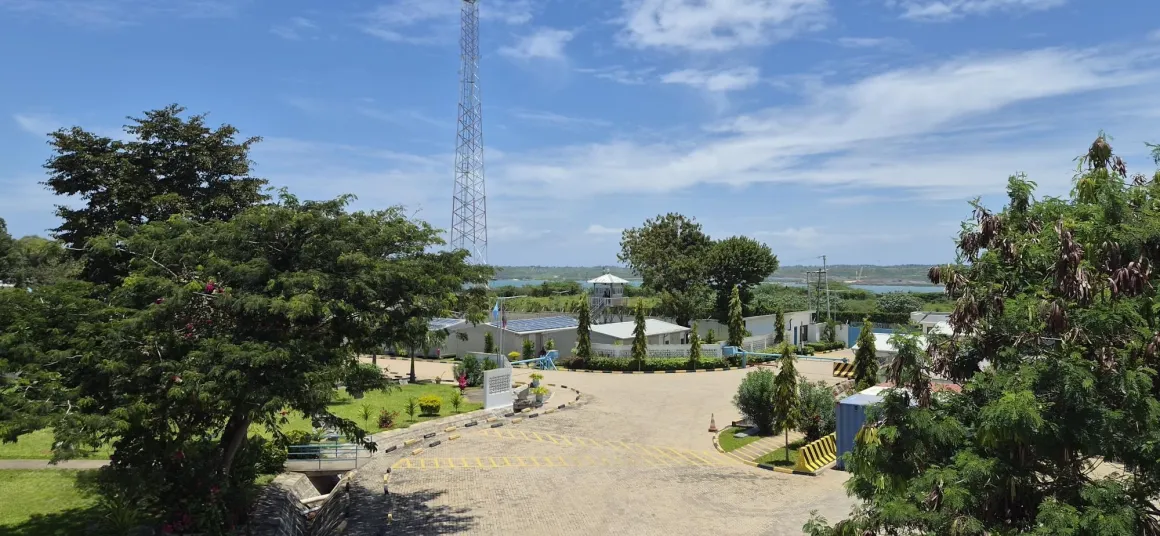


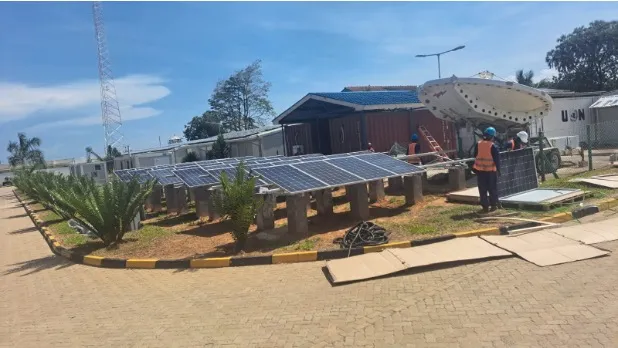
Mombasa, Kenya. The United Nations Support Office in Somalia (UNSOS) Mombasa Support Base is now meeting approximately 90 per cent of its electricity requirements through renewable energy, following the completion of a solar power initiative comprising 384 panels with an installed capacity of 122.6 kilowatt-peak (kWp). The green initiative is improving power reliability, operational resilience and cost efficiency while reducing dependence on fossil fuel-generated electricity. This strengthens UNSOS’ ability to maintain uninterrupted services at the Mombasa Base, supporting the Mogadishu Logistic Base, and in turn, the continuous delivery of logistical support to the African Union Support and Stabilization Mission in Somalia (AUSSOM) and the Somali Security Forces (SSF).
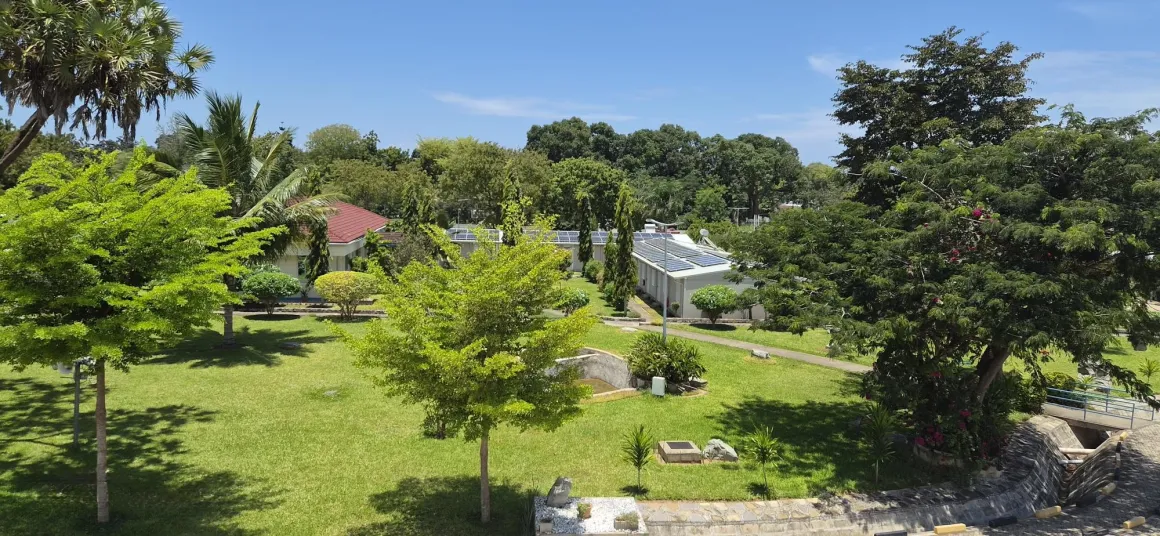
Aligned with the UN Secretariat’s Climate Action Plan, which calls for 80 per cent of the Organization’s electricity consumption to come from renewable sources by 2030, the initiative has turned that commitment into a practical investment in the Base’s long-term resilience. Launched in 2022 and completed in May 2026, the four-phase initiative progressively expanded solar power across the 4.3-hectare Base, with a 144 kWh battery bank providing energy storage for periods of limited sunlight.Beyond its role as a key logistics hub supporting critical forward and reverse logistics functions for UNSOS operations in Kenya and Somalia, the Base also provides training and meeting facilities for UN Agencies, Funds and Programmes across the region.
Turning clean energy into an operational asset
Solar generation provides a reliable alternative source of electricity, reducing operational risks linked to power outages, fuel disruptions and generator failures. At this logistics support base, a dependable power supply is essential to maintaining continuity of operations and ensuring the movement and delivery of supplies to Somalia.
“The project addressed high electricity costs, dependence on grid, generator power and emissions, as well as the need for dependable energy for the Base's logistics, offices, warehouses, and security systems. We envisaged solar energy to improve reliability, lower recurring electricity and fuel costs, and align with the UN Secretariat Climate Action Plan”, explains Paul Gimsay, UNSOS Chief of Field Technology Services.
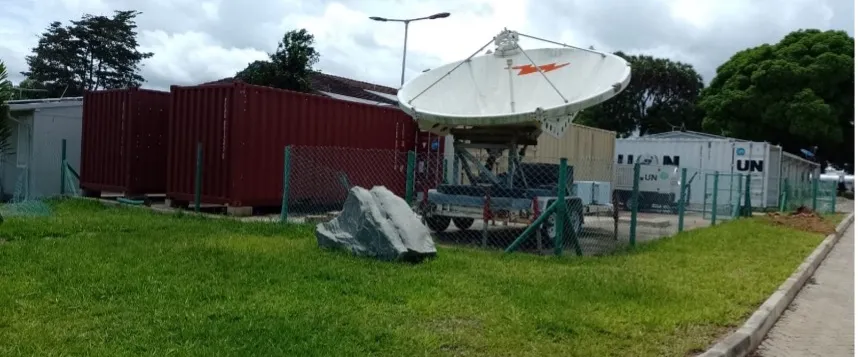
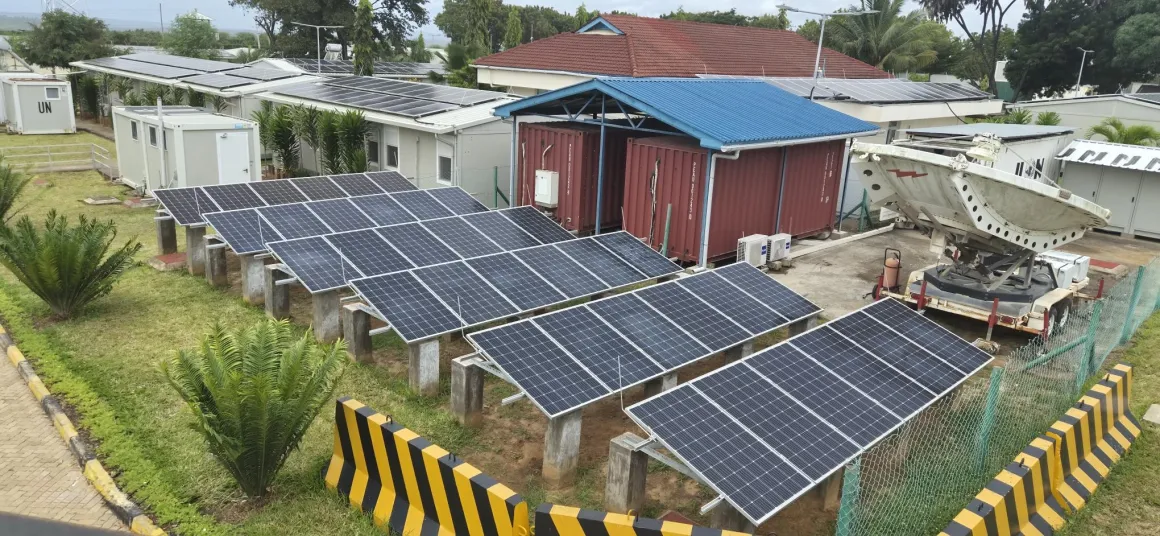
For Dubravko Birnbauer, Chief of the MSB, the operational impact has been significant since the system became operational. “The increased availability of solar power has made a meaningful difference to the reliability and efficiency of our day-to-day operations at the Mombasa Support Base. With 384 solar panels now generating approximately 90 per cent of the base’s electricity requirements, we have substantially reduced our reliance on conventional energy sources. This has improved the resilience of our power supply, while also contributing to lower operating costs and reduced environmental footprint”.
The results are already measurable. Before the transition, generators were the primary backup, with average annual fuel consumption of 2,000 litres. Today, with the city power grid serving as the primary backup and generators used only as a secondary source, annual fuel consumption has fallen to approximately 400 litres — an 80 per cent reduction- as a result of the solar energy.
The shift is equally visible in the Base’s operating costs, with the electricity bill projected to fall from US$27,000 in 2024 to around US$14,000 in 2026 — an estimated 48 per cent reduction, effectively cutting electricity costs by half.
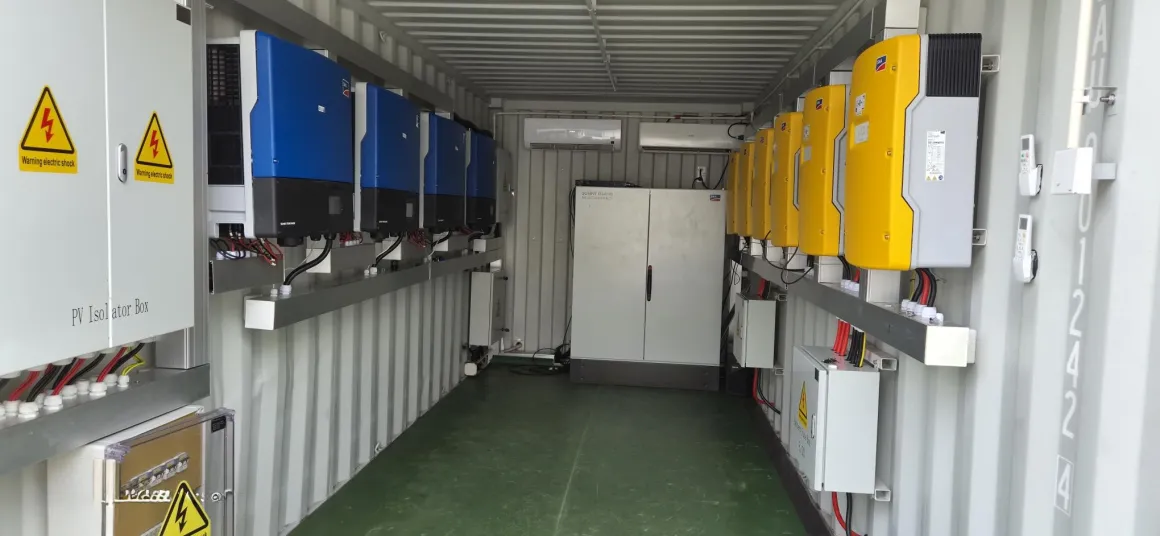
“The project demonstrates that renewable energy is not only an environmental initiative but also an operational enabler. A more reliable and efficient power system at MSB strengthens the wider logistics chain and helps UNSOS maintain responsive support to operations in Somalia”, says Birnbauer.
Strengthening resilience while reducing costs
From an environmental perspective, the shift to solar also brings wider benefits. Richard Oyoo, Chief of the UNSOS Environmental Unit, explains: “Solar energy reduces diesel pollution, noise, fuel use, emissions, spill risks and maintenance costs while improving resilience during grid outages. Fewer fuel deliveries also reduce traffic and safety risks. The project supports staff well-being, UNSOS sustainability goals, and Kenya’s progress towards Sustainable Development Goals 7 and 13”.
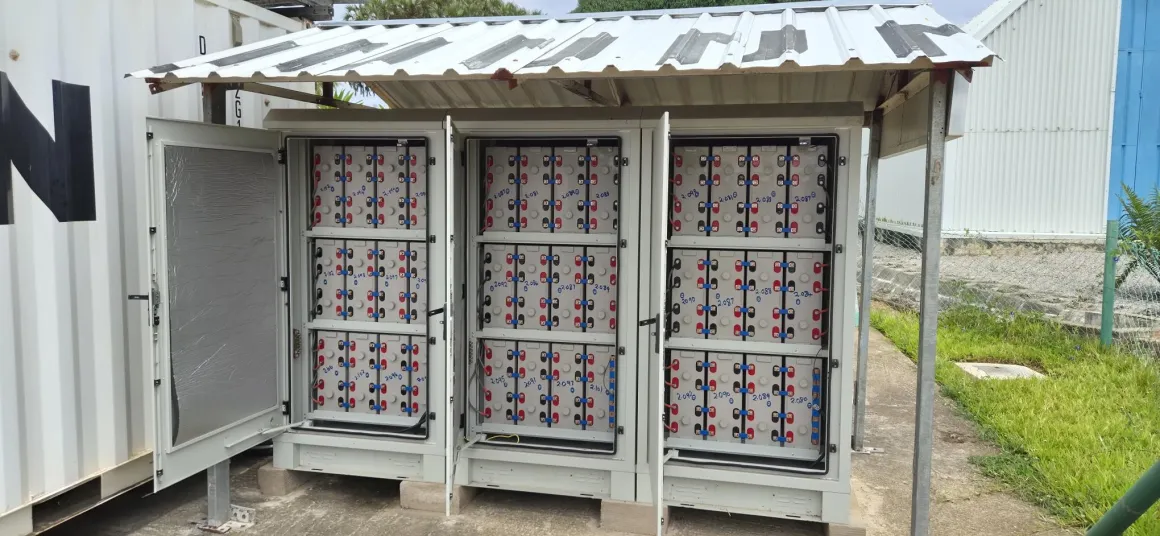
Beyond the financial savings, the shift to solar is also improving the working environment at the Base. Reduced reliance on generators has created a quieter, more comfortable workplace for its 13 UNSOS staff, while giving colleagues a tangible sense of pride in seeing the UN’s climate commitments put into practice.
The project has also strengthened capacity and knowledge transfer within UNSOS. Delivered in-house, it gave Field Technology Services and Facilities Management Unit personnel practical skills in photovoltaic installation, battery and inverter integration, commissioning and performance monitoring. These skills strengthen their ability to design, deploy and sustain renewable-energy systems across field operations, according to Gimsay.
A practical model for sustainable operations
“This project is about leaving a positive legacy: a more resilient Logistics Support Base, a healthier workplace, a smaller environmental footprint and a practical contribution to the United Nations’ climate agenda”, emphasises Dubravko Birnbauer, Chief of the Mombasa Support Base.
The Mombasa Support Base solar project is much more than an investment in technology. It shows how climate action can deliver practical operational benefits, reducing environmental impact while ensuring that UNSOS maintains the reliable logistics support required by AUSSOM and the SSF. As Birnbauer puts it, “making reliable power an important enabler of mission delivery”.
The experience could also extend beyond Mombasa. “I see the project as a foundation rather than an endpoint, an opportunity to explore further renewable-energy solutions across UN facilities. If other missions can learn from our experience and adapt similar approaches to their own operational circumstances, the impact will extend well beyond Mombasa”.