


Mogadishu, 30 June 2026 – The United Nations Support Office in Somalia (UNSOS) has concluded an intensive nine-day technical capacity-building workshop on Field Remote Infrastructure Monitoring (FRIM), to optimise resource consumption and reduce the environmental footprint of peace operations across Somalia.
Organised by UNSOS Field Technology Services (FTS) in coordination with the United Nations Global Service Centre (UNGSC), the initiative brought together over 25 personnel from engineering, fuel, environment, water and sanitation, FTS, and sector teams in Somalia.
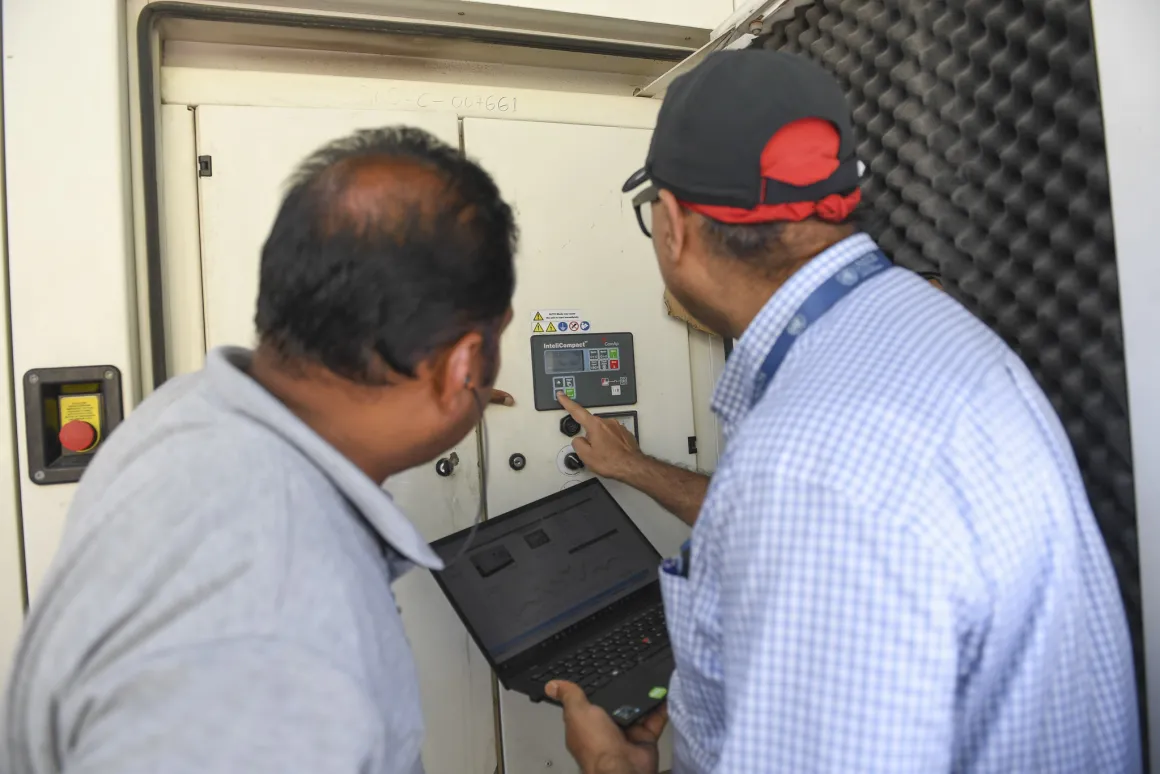
FRIM is an advanced Industrial Internet of Things (IIoT) platform used by UN field missions and global service centres to monitor critical infrastructure, automate data collection, and optimise resource use.
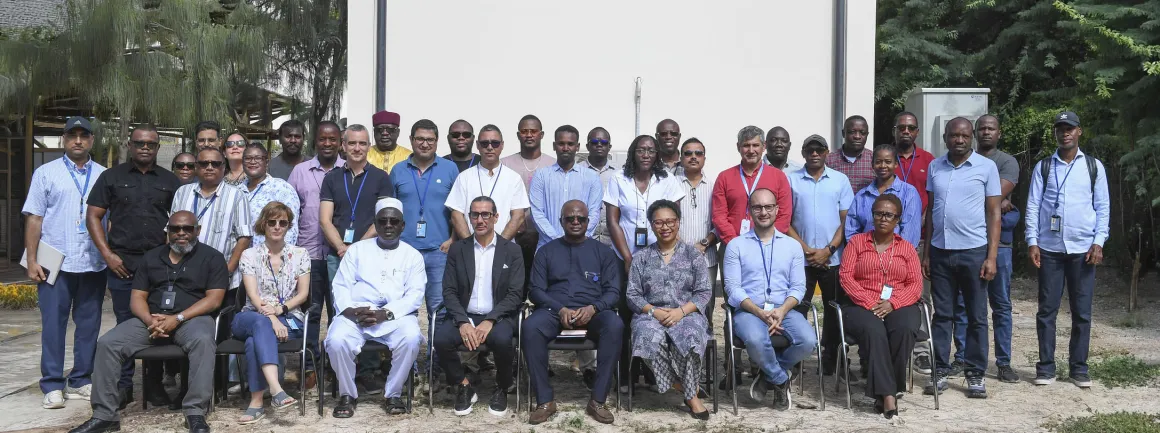
Delivering opening remarks on behalf of the Acting Assistant Secretary-General and Head of UNSOS, Fabio Mevoli, the UNSOS Chief of Supply Chain, emphasised that the participants’ presence reflected a collective commitment to strengthening field infrastructure management.
“I see FRIM as an important step in our continued effort to make support operations more data-driven, transparent, and efficient,” Mevoli stated. “It is not simply a technical system; it is an operational capability that improves visibility over energy performance, fuel consumption, water systems, equipment status, and infrastructure risks across the field.”
He further underscored that the workshop’s true measure of success would be its long-term operational impact and disciplined stewardship.
“The purpose of this workshop is therefore not only to review dashboards, devices, and data flows,” Mevoli added. “It is to focus on benefit realisation: how the information generated through FRIM can help us make better decisions, reduce waste, improve maintenance planning, strengthen accountability, and demonstrate measurable efficiency gains.”
“Every litre of fuel, every kilowatt of power, every drop of water, and every asset entrusted to us must be used in ways that directly support operational effectiveness and responsible stewardship,” he said.
Addressing participants virtually, Michael Bergeron, Chief of Service for Geospatial Information and Telecommunications Technologies at UNGSC, commended UNSOS for its agility in adopting new technologies to drive operational efficiency amid current financial constraints.
“As we move forward, we have seen FRIM adoption rate really skyrocketing, but I have got to congratulate UNSOS, which accounts for nearly 10 per cent of the overall FRIM footprint, with close to 5,000 monitored data points,” Bergeron noted.
Paul Gimsay, Chief of Field Technology Services, highlighted that UNSOS is one of the pilot missions for FRIM. The system is already operational in Mogadishu and several sectors, with further deployments underway.
“The programme combines three main elements: hands-on technical training, validation of the current system, and strategic advisory support,” Gimsay explained. “This means that we are not only building skills, but also reviewing the existing deployment, identifying gaps, and defining opportunities for improvement.”
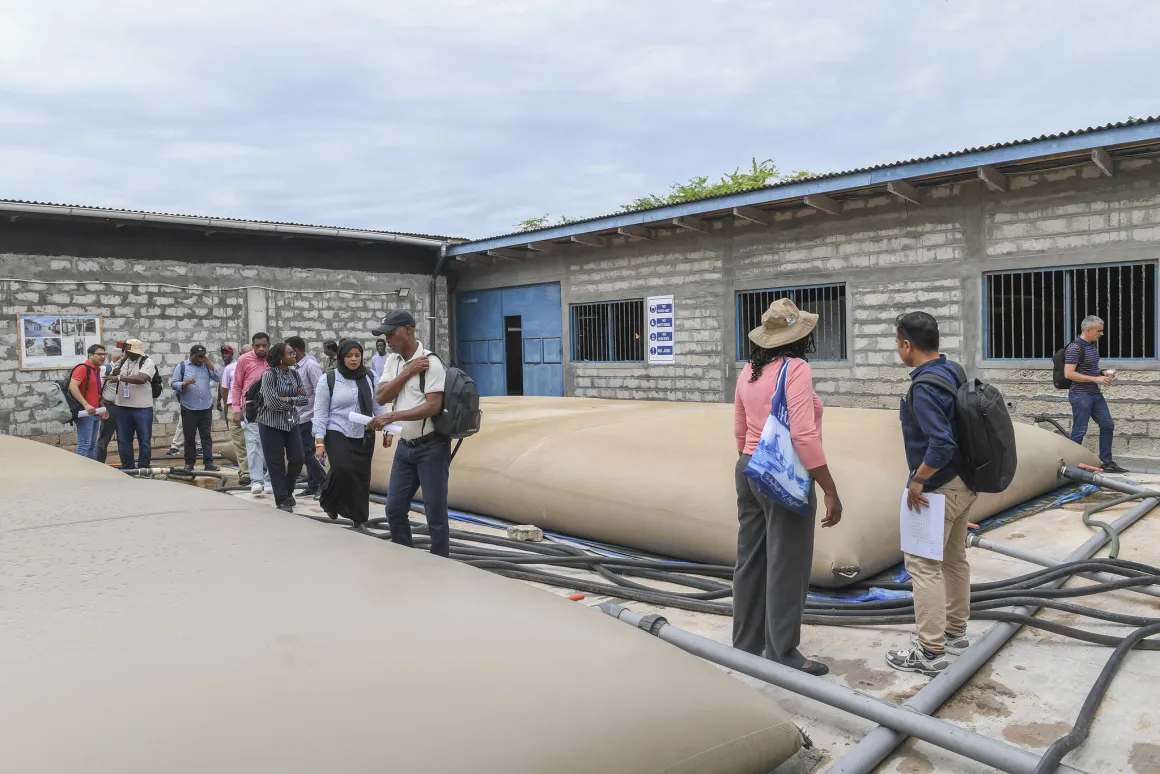
The workshop covered critical technical areas, including device integration, sensor configuration, data quality, and governance. Blending theoretical instruction with practical coursework, participants also toured vital infrastructure sites, such as water treatment plants and power generation units, to conduct monitoring assessments.
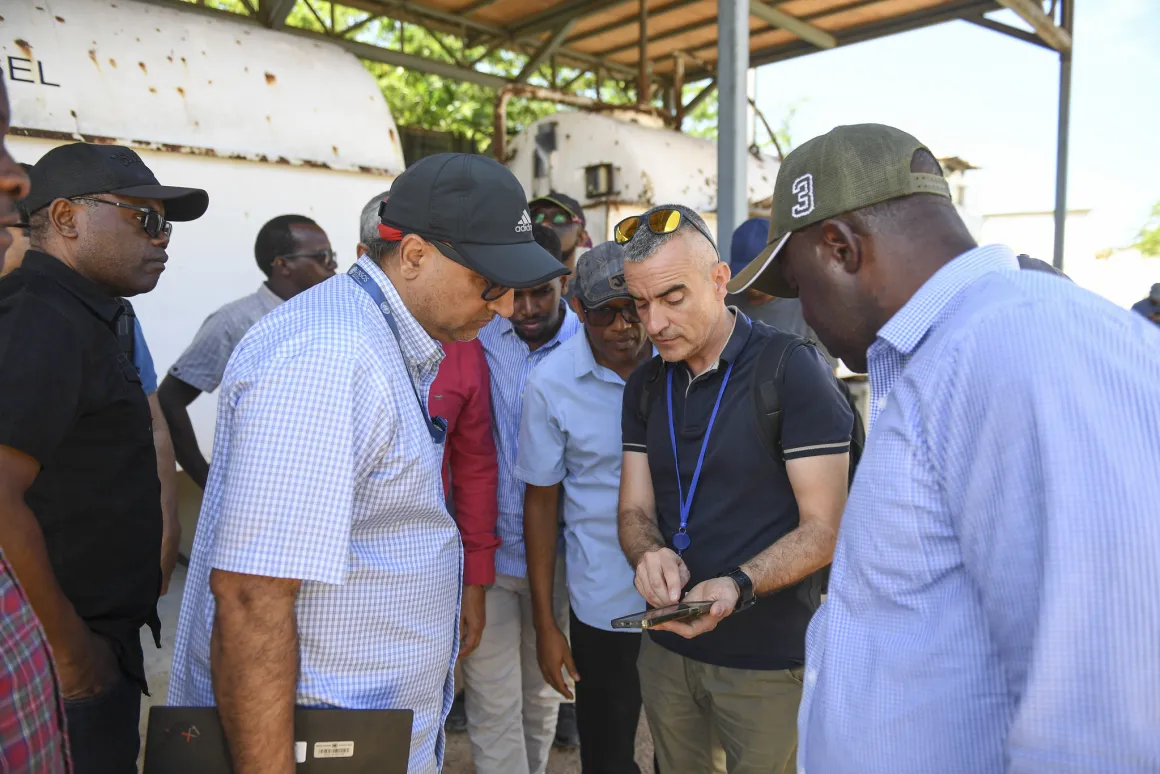
Jovo Bozickovic, a workshop facilitator from UNGSC, said the team worked closely with participants to strengthen their understanding of FRIM, and the data needed to support informed operational decision-making.
“The objective was to build capacity, improve understanding of FRIM, and strengthen knowledge of the Key Performance Indicators (KPIs) that need to be collected and linked to relevant business processes and operational objectives,” said Bozickovic.
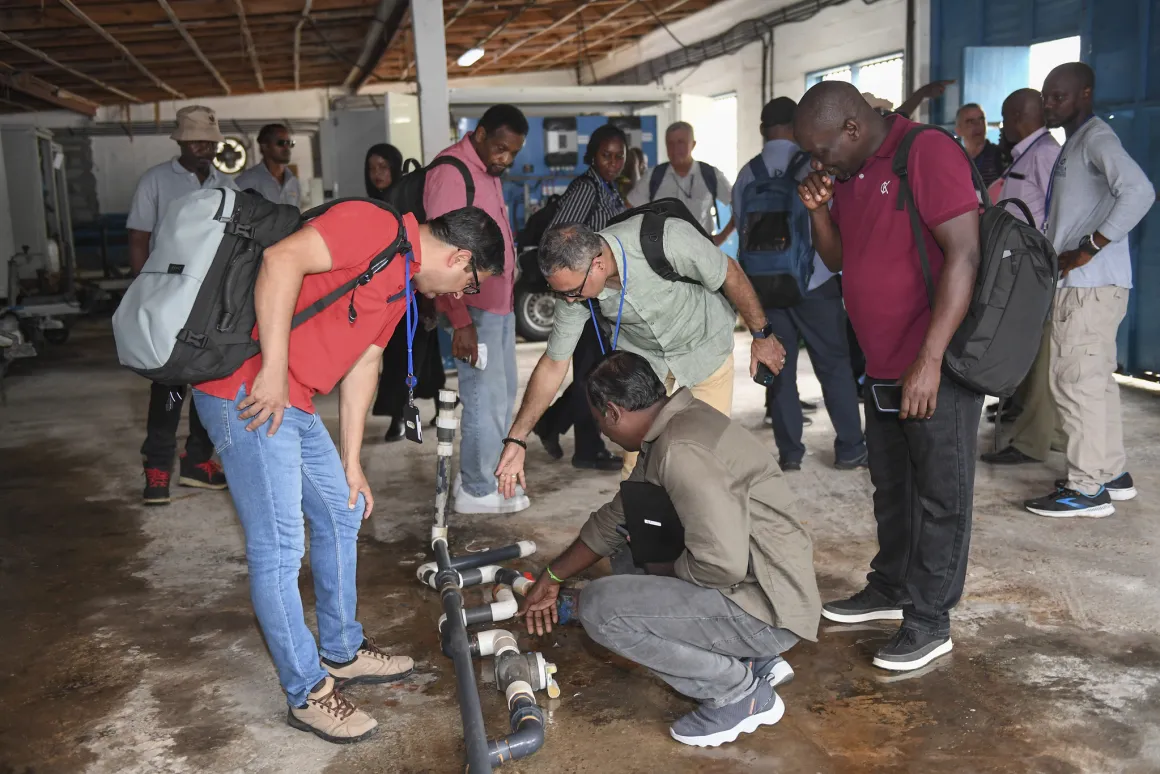
For participants, the workshop provided a vital opportunity to align field operations with strategic mission goals.
“The knowledge that we have acquired will enable us to speed the implementation of FRIM and to gain the opportunity to make some corrections and capitalise on the data in an accurate and targeted manner,” said Soumana Gagara, UNSOS Water and Sanitation Engineer.


