


Mogadishu, 4 November 2026 – Forty-four final-year public health students from Salaam University in Mogadishu have visited the United Nations Support Office in Somalia (UNSOS) to gain practical insight into waste management and wastewater treatment.
The study visit brought together 29 female and 15 male students and was coordinated by the UNSOS Environment Unit and the Engineering and Facilities Management Section (EFMS).
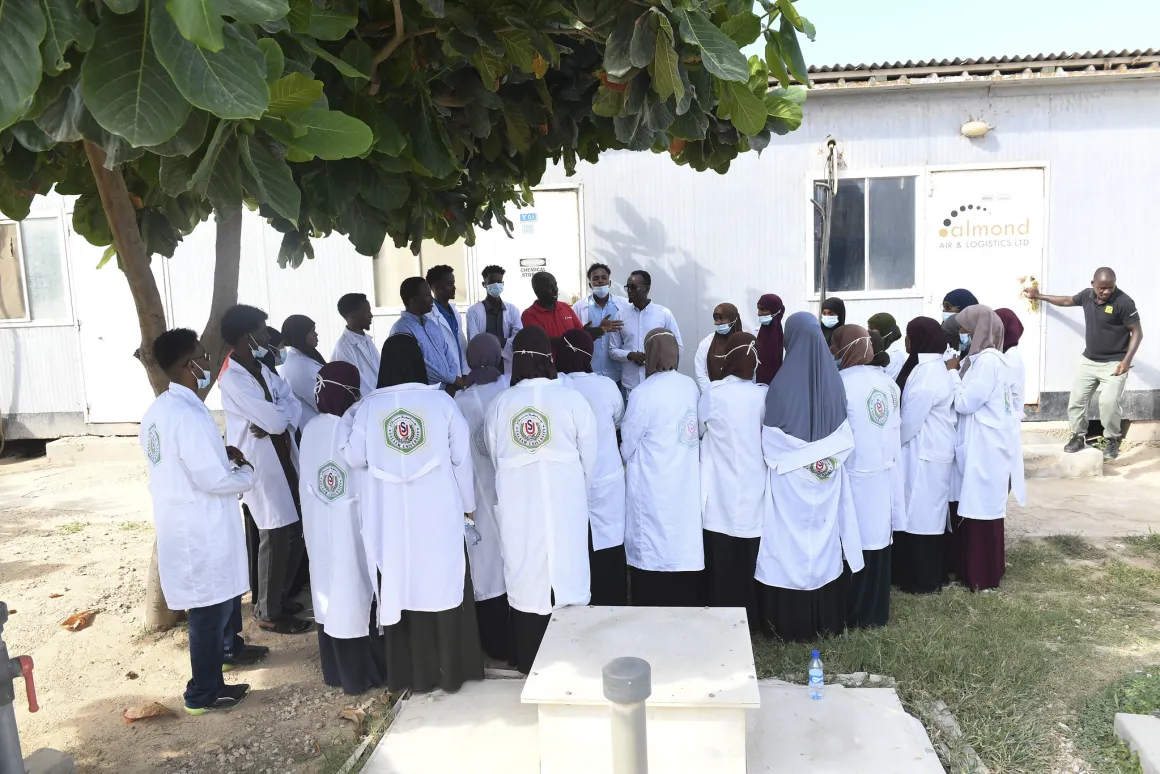
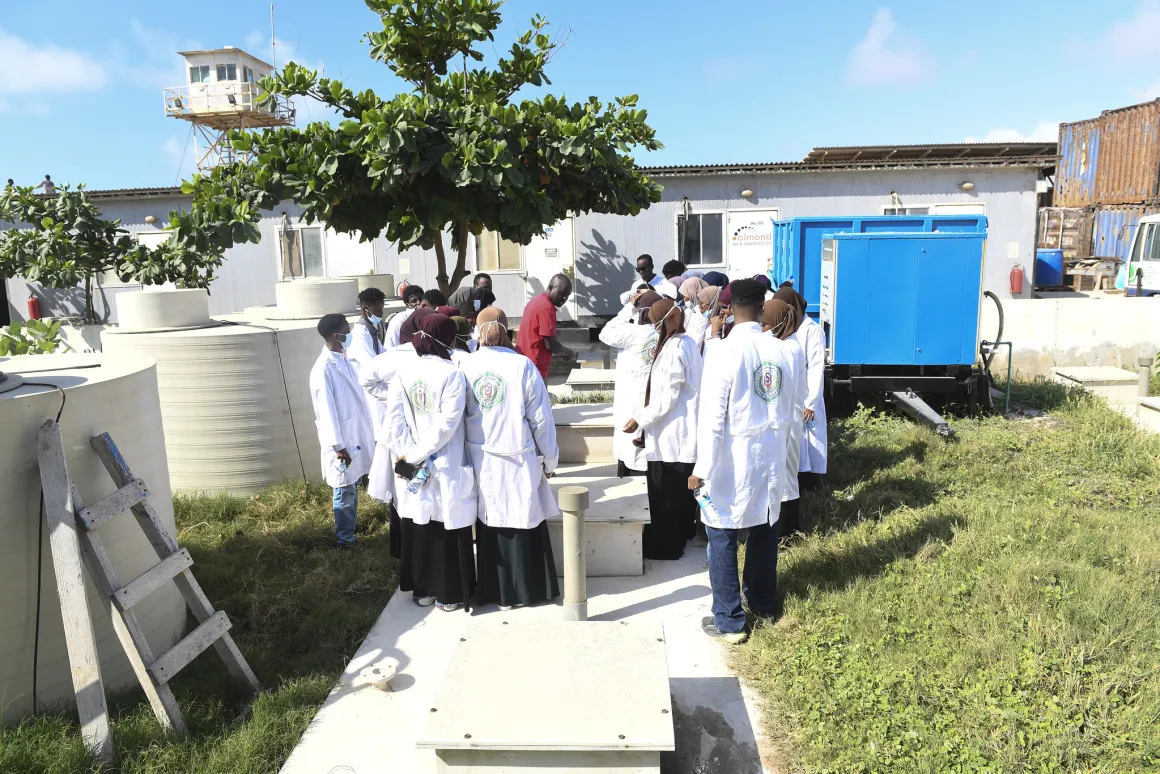
During the visit, the students toured the UNSOS wastewater treatment plant and solid waste management facilities, gaining first-hand insight into how the United Nations manages wastewater and solid waste in Mogadishu.
They also learned how UNSOS works with environmental service providers, including Ecolog International, to support sustainable waste management and environmental protection.
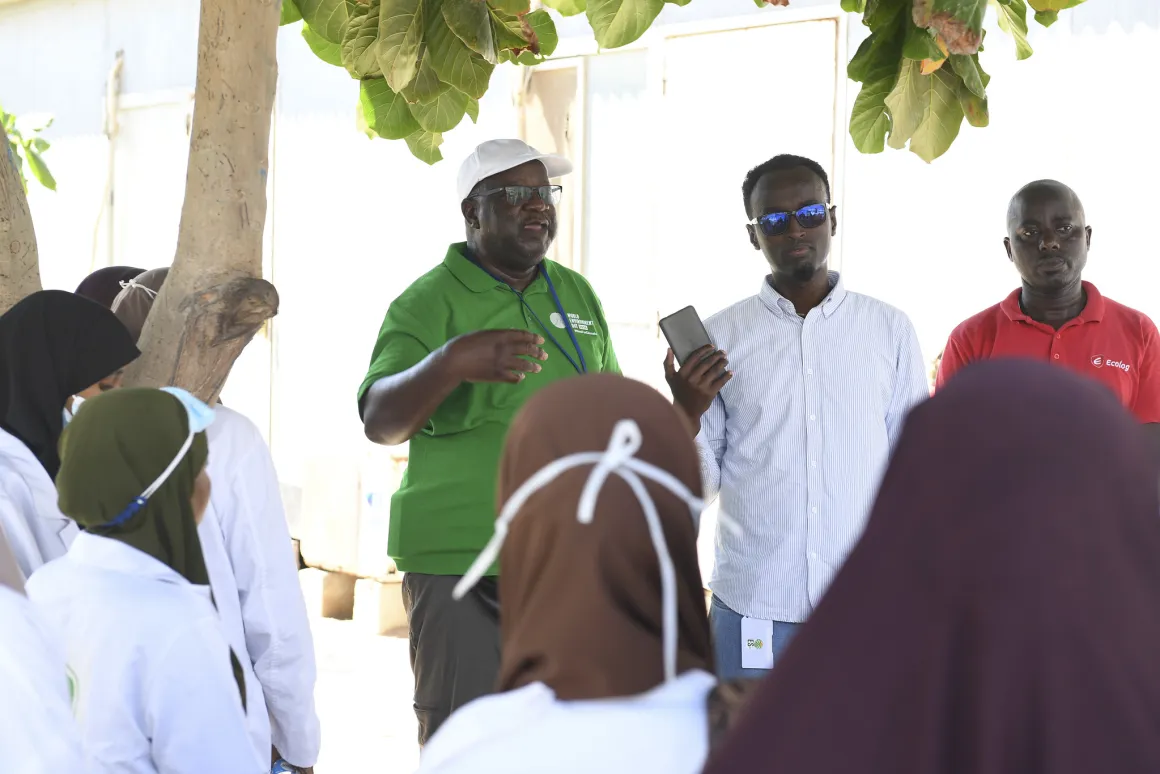
At the wastewater treatment plant, UNSOS Water and Sanitation Engineer Soumana Gagara, Wastewater Treatment Plant Supervisor David Oloo Odhiambo and Environmental Affairs Officer Mohamed Jama explained the various stages involved in treating wastewater before it is discharged or reused.
At the Solid Waste Management Yard, facility supervisor Denis Odur explained how an average of six tonnes of waste is processed daily. The waste is sorted into categories including organic waste, paper, glass, metal, mixed waste and plastics to facilitate appropriate treatment, recycling and disposal.
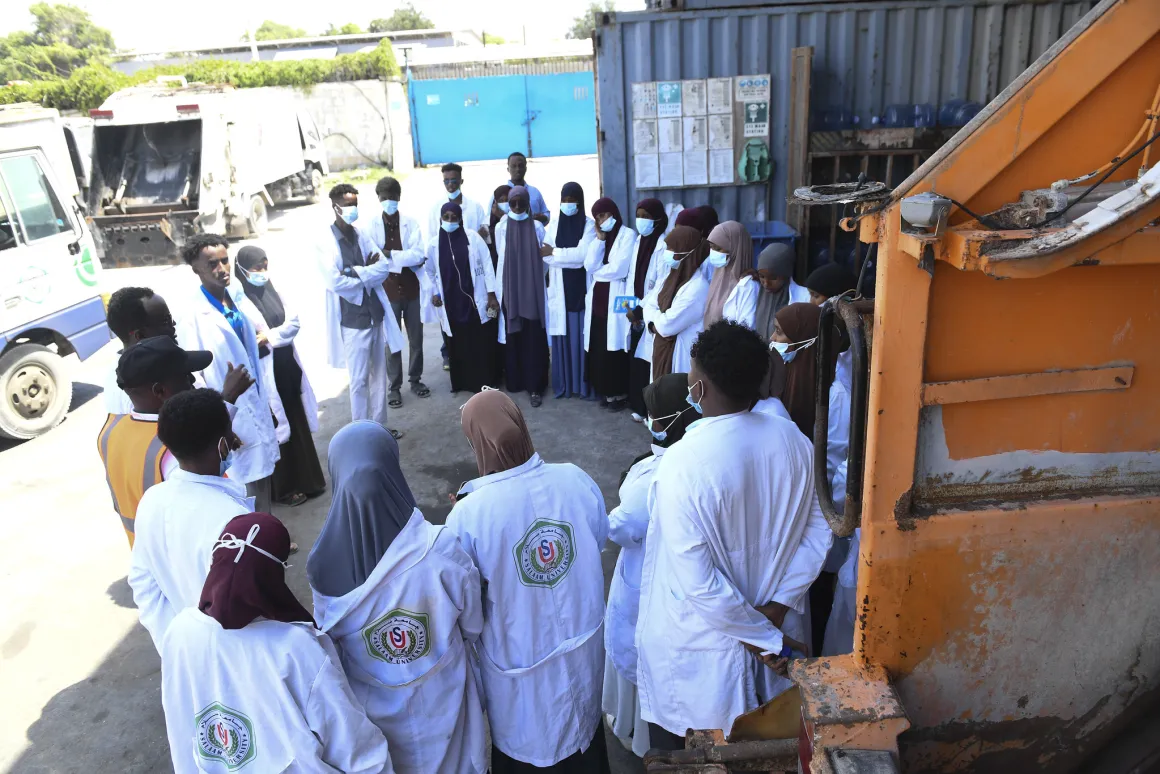
The students also visited facilities including a smokeless incinerator and glass pulveriser. They learned that plastic waste collected at the facility is recycled through a partnership with a Mogadishu-based company that converts recycled plastic into construction materials, including roof tiles and paving blocks.
For UNSOS Unit Chief for Water and Sanitation, Rebecca Kunya, the study visit also forms part of the Mission’s broader efforts to share knowledge and build national capacity.
“It is important that we leave behind a positive and lasting legacy, not only through the infrastructure and services we have provided, but also through knowledge sharing and capacity building,” said Kunya.
“Engaging young people, particularly university students, is a meaningful investment in Somalia’s future. By providing practical exposure to our facilities and operations, we hope to bridge the gap between classroom learning and real-world application and equip future professionals with the knowledge and inspiration to promote sustainable practices within their communities.”
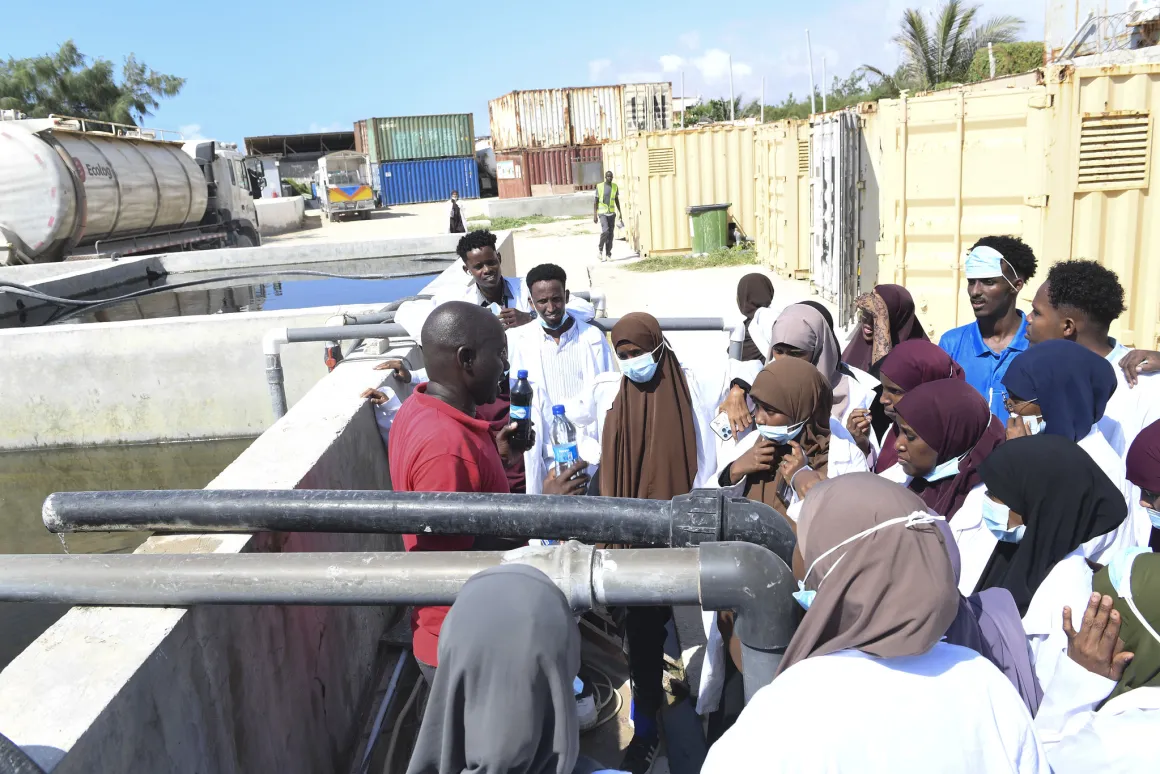
Students reflect on the study visit
For fourth-year student Sahra Abdi Elmi, the visit provided an opportunity to understand the principles of reducing, recycling and reusing waste and their importance in protecting Somalia’s environment.
She described the experience as an eye-opener and said it had encouraged her to promote better waste management practices in her community, including separating domestic waste where possible and avoiding dumping waste in the ocean and public spaces.
“Not everything we consider waste is useless. Some materials can be recycled and reused, including solid waste and wastewater from kitchens and showers. Although treated wastewater may be reused for other purposes,” she said.
Another student, Abdimalik Liban Awes, said the visit had given him practical knowledge of waste sorting and its importance in facilitating collection, treatment and recycling.
“We dispose of domestic waste without thinking much about waste management. I encourage everyone to adopt better waste management through sorting, responsible disposal and recycling materials where possible,” said Awes.
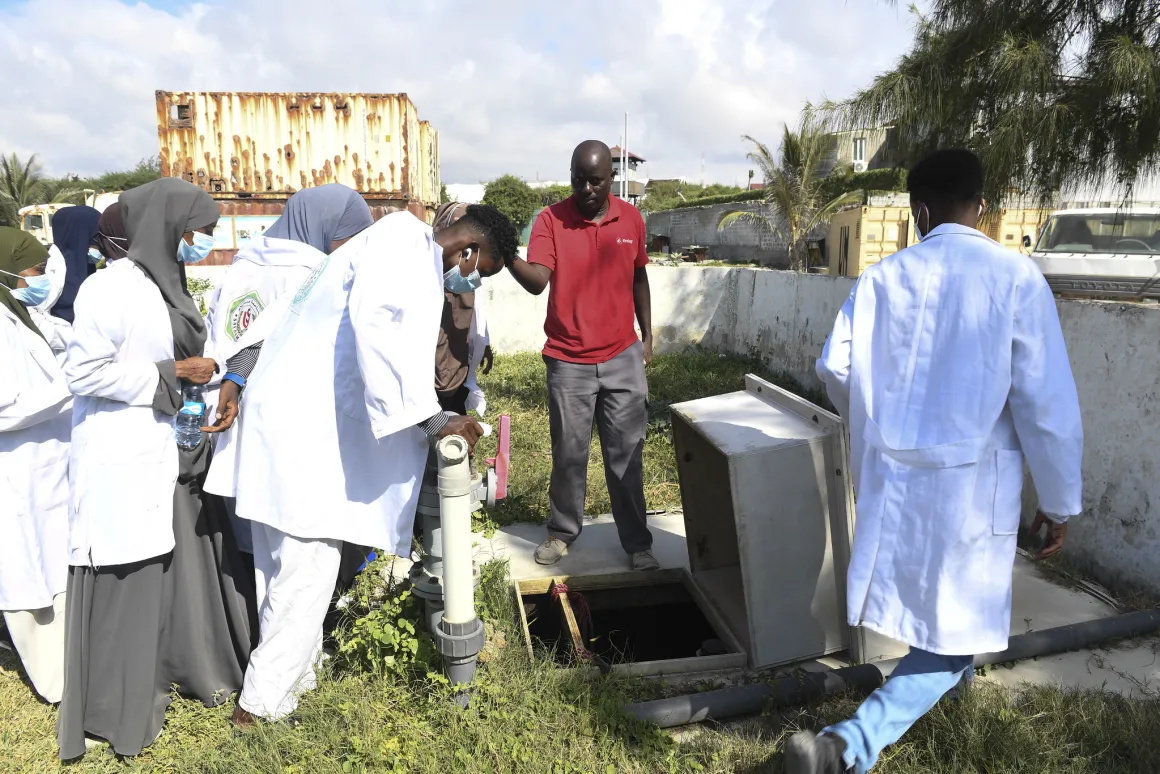
Public health lecturer Feisal Abdullahi Salad said the visit gave students an opportunity to complement their academic learning with practical experience.
“We sincerely thank the leadership of UNSOS for providing this wonderful learning opportunity. We also encourage our students to share the knowledge they have gained with their friends, families and communities so that more people can understand the importance of waste management,” said Salad.
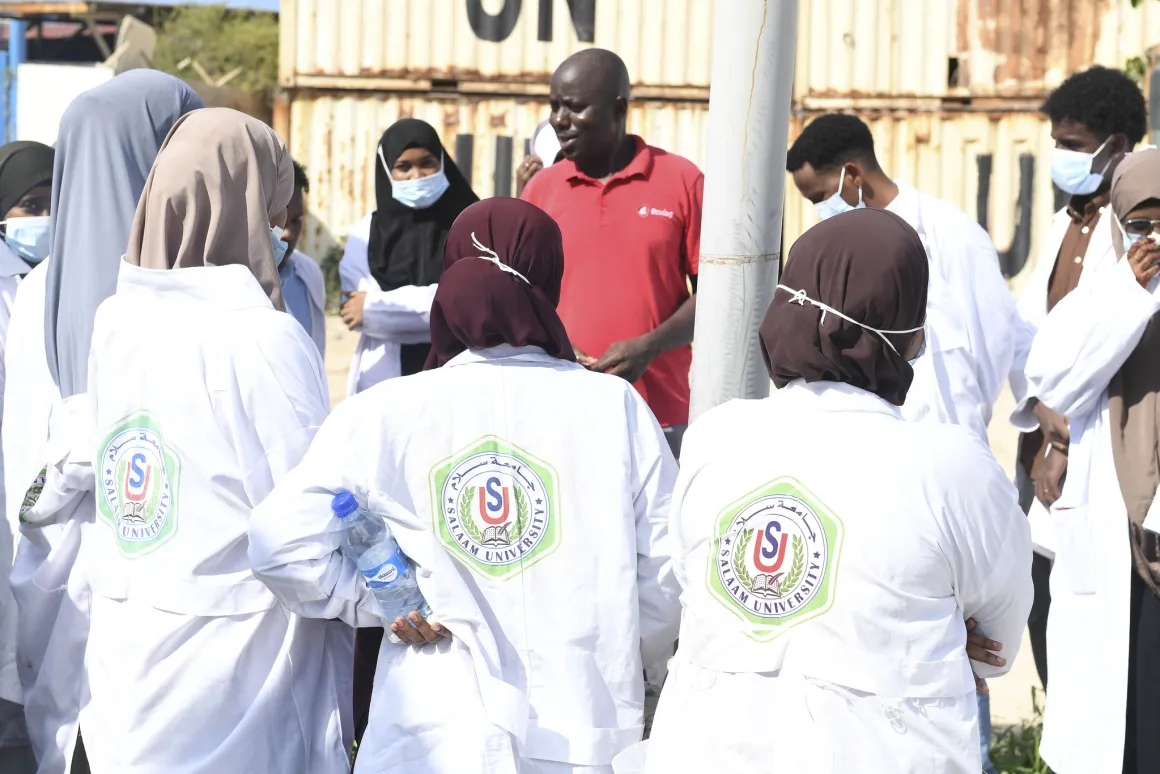
The study visit highlighted the value of practical learning and knowledge-sharing in strengthening environmental awareness and promoting responsible waste management practices in Somalia.


